
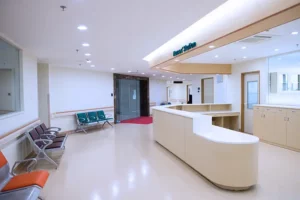
 Healthcare facilities have plumbing needs that go far beyond those of a typical commercial building. Hospitals, medical offices, surgery centers, dental practices, dialysis facilities, and senior living communities depend on safe and reliable water and plumbing systems every day.
A plumbing failure can disrupt patient care, damage property, and create serious operational challenges. That is why healthcare facilities need an experienced Houston healthcare plumbing company that understands the importance of responsive service, careful planning, and reliable repairs.
AAA Plumbers has provided commercial plumbing services in the Houston area since 1984. Our experienced team helps healthcare facilities maintain, repair, and upgrade their plumbing systems while working to minimize disruptions to daily operations.
Quick Answer: What Makes Healthcare Plumbing Different?
Healthcare plumbing requires careful attention to infection prevention, water quality, system reliability, scheduling, and facility-specific requirements. Plumbing work may also need to coordinate with a facility’s infection control procedures and water management program.
AAA Plumbers provides Houston healthcare plumbing services for medical offices, hospitals, dental practices, senior living communities, and other healthcare-related properties. Our goal is to provide dependable plumbing solutions while helping facility managers minimize downtime and maintain efficient operations.
Why Healthcare Plumbing Requires Specialized Attention
A plumbing problem in an office building may be an inconvenience. In a healthcare environment, the same problem can affect patients, staff, equipment, and daily operations.
Healthcare facilities also have complex water systems and may serve patients who are more vulnerable to waterborne pathogens. The CDC recommends comprehensive water management programs for healthcare facilities to help reduce the risk of Legionella and other waterborne pathogens.
For facility managers, this means plumbing maintenance should be proactive rather than purely reactive.
Common Challenges in Healthcare Facility Plumbing
1. Infection Prevention During Plumbing Work
Plumbing work in a healthcare facility must be carefully planned. Depending on the location and scope of the project, the facility may require infection control measures before work begins.
Healthcare facilities may use an infection control risk assessment to identify potential risks and determine appropriate precautions. These measures can help limit dust, debris, water exposure, and other hazards during construction or plumbing repairs.
Our team understands that plumbing work must be coordinated with facility operations. We work with property and facility managers to plan service around the needs of the building.
2. Water Management and Legionella Prevention
Healthcare facilities need effective water management because building water systems can create conditions where Legionella and other waterborne pathogens may grow and spread.
The CDC recommends that healthcare facilities develop and maintain comprehensive water management programs. These programs identify potential hazards, establish control measures, monitor building water systems, and document corrective actions.
A healthcare plumbing partner should understand how plumbing maintenance fits into the facility’s overall water management strategy.
Important areas may include:
- Hot and cold water systems
- Water heaters and mixing valves
- Low-flow and infrequently used fixtures
- Dead legs and areas of water stagnation
- Sediment, scale, corrosion, and biofilm
- Fixture and plumbing component maintenance
- Water temperature monitoring
- Flushing and other facility-specific control measures
The appropriate control measures depend on the facility, its water systems, its occupants, and applicable requirements. Healthcare facilities should follow their established water management program and applicable regulations rather than relying on a single plumbing measure.
3. Specialty Plumbing Fixtures and Systems
Healthcare facilities often use specialized plumbing fixtures and water systems that require careful installation and maintenance.
Depending on the facility, these may include:
- Medical and clinical sinks
- Scrub sinks
- Hands-free plumbing fixtures
- Eyewash stations
- Decontamination sinks
- Commercial water heaters
- Water treatment systems
- Reverse osmosis systems
- Dialysis-related water systems
- Backflow prevention assemblies
Some healthcare systems also operate near specialized building systems, including medical gas infrastructure. Plumbing contractors must understand their scope of work and coordinate with other qualified professionals when work involves systems outside their trade.
4. Scheduling Around Patient Care
Healthcare facilities operate around patients, procedures, appointments, staff schedules, and critical equipment. Plumbing work must often be planned around these activities.
AAA Plumbers works with facility managers and property representatives to help coordinate repairs and maintenance with building operations. Planned service may be scheduled during off-hours or other approved windows when appropriate.
For emergency plumbing problems, fast response is especially important. A major leak, sewer backup, or loss of water service can quickly affect a healthcare facility’s ability to operate.
5. Documentation and Maintenance Records
Good documentation is an important part of commercial facility maintenance. Healthcare properties may need records related to plumbing repairs, inspections, backflow testing, water management activities, and other maintenance work.
Clear service records can help facility managers track recurring problems, plan future maintenance, and demonstrate that required procedures have been completed.
AAA Plumbers focuses on clear communication and professional service documentation so property and facility managers have useful information about the work performed.
6. Senior Living and Healthcare-Adjacent Properties
Senior living and long-term care facilities have unique plumbing needs. Residents may be more vulnerable to plumbing-related safety and water quality concerns, making preventive maintenance especially important.
AAA Plumbers provides commercial plumbing services for senior living communities and other multi-family properties with healthcare-related operations. Our services can help address common issues involving water lines, drains, fixtures, water heaters, boilers, and other plumbing systems.
Common Healthcare Plumbing Problems
Healthcare facilities can experience many of the same plumbing problems found in other commercial properties. However, the impact can be much greater when the facility serves patients or residents.
Common issues include:
- Water leaks
- Burst pipes
- Clogged drains
- Sewer backups
- Low water pressure
- Water heater problems
- Boiler problems
- Backflow issues
- Faulty plumbing fixtures
- Water line failures
- Drainage problems
- Plumbing system deterioration
Regular inspections and preventive maintenance can help identify problems before they become major emergencies.
Healthcare Plumbing vs. Standard Commercial Plumbing
Healthcare plumbing has many of the same basic components as other commercial plumbing systems. The difference is the environment in which those systems operate.
Healthcare facilities may require additional attention to:
- Infection prevention: Plumbing work may need to follow facility-specific infection control procedures.
- Water management: Healthcare facilities should maintain appropriate water management programs to reduce risks associated with Legionella and other waterborne pathogens.
- Specialized equipment: Healthcare properties can contain specialty fixtures and water treatment systems.
- Scheduling: Repairs may need to occur around patient care and facility operations.
- Documentation: Maintenance records can be an important part of facility management and compliance programs.
- Emergency response: Plumbing failures can quickly affect patient care and building operations.
For these reasons, healthcare facilities benefit from working with a commercial plumbing company that understands the demands of the environment.
When Should You Call a Houston Healthcare Plumber?
Contact a qualified commercial plumber when your healthcare facility experiences a plumbing problem that could affect patient care, staff, residents, equipment, or building operations.
You may also want to schedule professional service for:
- Planned healthcare facility renovations
- Recurring plumbing leaks
- Drain and sewer problems
- Water heater or boiler issues
- Backflow testing and repairs
- Water line repairs
- Specialty fixture installation
- Preventive plumbing maintenance
- Water management program support
- Plumbing system inspections
- Emergency plumbing failures
Addressing small problems early can help reduce the chance of larger repairs and unexpected downtime.
Why Choose AAA Plumbers for Houston Healthcare Plumbing?
AAA Plumbers has served Houston-area commercial properties since 1984. Our team provides commercial plumbing services for a wide range of facilities, including healthcare properties, medical offices, dental practices, senior living communities, and other commercial buildings.
We understand that healthcare facilities need responsive service and dependable solutions. That’s why we focus on accurate diagnoses, quality workmanship, clear communication, and minimizing disruption to your operations.
Our commercial plumbing capabilities include:
- Emergency plumbing repairs
- Preventive plumbing maintenance
- Drain cleaning
- Water and sewer line services
- Leak detection and pipe repair
- Commercial water heater services
- Commercial boiler services
- Backflow testing and repairs
- Plumbing fixture repair and replacement
- Plumbing system upgrades
- Hydro jetting
- Camera inspections
- Other commercial plumbing repairs and maintenance
Whether you manage a medical office, dental practice, senior living community, or larger healthcare facility, AAA Plumbers can help you maintain a reliable plumbing system.
Frequently Asked Questions About Houston Healthcare Plumbing
What are healthcare plumbing services?
Healthcare plumbing services include the repair, maintenance, inspection, and installation of plumbing systems in hospitals, medical offices, dental practices, surgery centers, senior living communities, and other healthcare facilities. Services may include water and sewer line repairs, drain cleaning, water heater service, boiler service, fixture repairs, backflow testing, leak detection, and preventive maintenance.
Why is preventive plumbing maintenance important for healthcare facilities?
Preventive maintenance can help identify leaks, deteriorating pipes, drainage problems, water heater issues, and other plumbing concerns before they cause major disruptions. Regular maintenance can also support reliable building operations and help facility managers plan repairs before an emergency occurs.
Does AAA Plumbers provide emergency healthcare plumbing services in Houston?
Yes. AAA Plumbers provides 24/7 emergency commercial plumbing services in Houston. Our team can respond to urgent plumbing problems that threaten building operations, including major leaks, burst pipes, sewer backups, and other plumbing system failures.
Can AAA Plumbers work with healthcare facility water management programs?
Healthcare facilities should maintain water management programs appropriate for their buildings and follow applicable requirements. AAA Plumbers can provide commercial plumbing maintenance and repair services that support the operation and maintenance of building water systems. Facility managers should coordinate water management activities with their designated water management team and other qualified professionals.
Dependable Houston Healthcare Plumbing Services
Healthcare facilities need plumbing systems that perform reliably every day. From routine maintenance to emergency repairs, AAA Plumbers provides responsive Houston healthcare plumbing services for medical and healthcare-related properties throughout the Greater Houston area.
If you manage a healthcare facility, medical office, dental practice, or senior living property, don’t wait until a plumbing emergency disrupts your operations.
Contact AAA Plumbers today to schedule service or request a free estimate for your Houston commercial plumbing needs.